
Professional Janitorial Services for Property Managers

Table of Contents
What Professional Janitorial Services Include
Essential Cleaning Services for Property Managers
Day Porter and Maid Services
Nightly Janitorial Operations
Floor Care and Maintenance
Tenant Turnover Cleaning Standards
Move-In and Move-Out Cleaning
Apartment Turnover Best Practices
Creating a Commercial Cleaning Contract Checklist
Defining Scope and Service Standards
Establishing Communication and Reporting Protocols
Response Times and Emergency Procedures
Technology and Documentation Requirements
Performance Metrics and Renewal Criteria
Janitorial Service Pricing Models and Budgeting
Common Pricing Models
Building a Realistic Budget
Requesting Detailed Quotes
Evaluating True Cost of Service
Why Consistency and Reliability Matter
Choosing the Right Janitorial Provider
Frequently Asked Questions
Last Updated: September 24, 2026
What Professional Janitorial Services Include
Professional janitorial services for property managers go far beyond basic vacuuming and trash removal. These services form the backbone of property maintenance, ensuring buildings remain clean, safe, and attractive to tenants while protecting your investment.
Professional janitorial services typically encompass routine cleaning, floor care, restroom sanitation, waste management, and specialized services like carpet extraction and window cleaning. Property managers who invest in quality janitorial services report fewer tenant complaints, better retention rates, and improved property valuations.
Pro Tip Many property managers underestimate how much tenant satisfaction depends on cleanliness. A single poorly cleaned common area can trigger multiple complaints and lease cancellations. Reliable janitorial services prevent that cascade effect.
Essential Cleaning Services for Property Managers
The most critical janitorial services fall into three categories: daily maintenance, specialized cleaning, and turnover services.

Day Porter and Maid Services
Day porter services provide visible, ongoing maintenance during business hours, handling trash removal, spot cleaning, restroom restocking, and rapid response to spills or debris. This constant presence maintains cleanliness standards and signals active property management.
For apartment complexes, day porter coverage includes common area cleaning, lobby maintenance, and rapid response to tenant requests. Pricing depends on building size and frequency.
Nightly Janitorial Operations
Nightly janitorial operations handle deep cleaning tasks when residents are not in common areas, including thorough floor cleaning, restroom sanitation, carpet vacuuming, and trash removal. These services require professional-grade equipment and trained staff.
Most property managers schedule nightly janitorial services after 6 PM to minimize disruption. Consistency in timing and quality ensures tenants know when to expect maintenance activity.
Floor Care and Maintenance
Floor care extends beyond regular vacuuming to include carpet extraction, hard floor refinishing, tile polishing, and preventative maintenance. Carpet in high-traffic areas needs extraction every 6-12 months, while tile and vinyl require periodic stripping and waxing.
Professional floor care protects your property investment by extending flooring lifespan. Preventative maintenance costs less than replacing worn flooring.
Tenant Turnover Cleaning Standards
Turnover cleaning represents one of the most critical janitorial services for property managers. Poor turnover cleaning directly impacts your ability to lease units, retain security deposits, and attract quality tenants. This is where attention to detail separates professional janitorial services from basic cleaning.
Move-In and Move-Out Cleaning
Move-out cleaning prepares vacant units for new tenants, addressing deep stains, odors, and wear. Professional move-out cleaning includes carpet extraction, wall cleaning, appliance cleaning, and sanitization to return the unit to move-in condition.
Move-in cleaning ensures the space is pristine and ready for occupancy, creating a positive first impression and supporting higher tenant satisfaction and longer lease retention.
Apartment Turnover Best Practices
Effective apartment turnover requires a documented checklist covering every room, appliance, and surface to ensure consistency across all turnovers.
Most property managers schedule turnover cleaning within 24-48 hours after move-out to minimize vacancy periods. Rushing the process sacrifices quality, which costs more through tenant complaints and deposit disputes.
Key Takeaway The difference between a $500 move-out clean and a $700 one usually comes down to what's included. Professional services document what's covered, so you know exactly what you're paying for.
Creating a Commercial Cleaning Contract Checklist
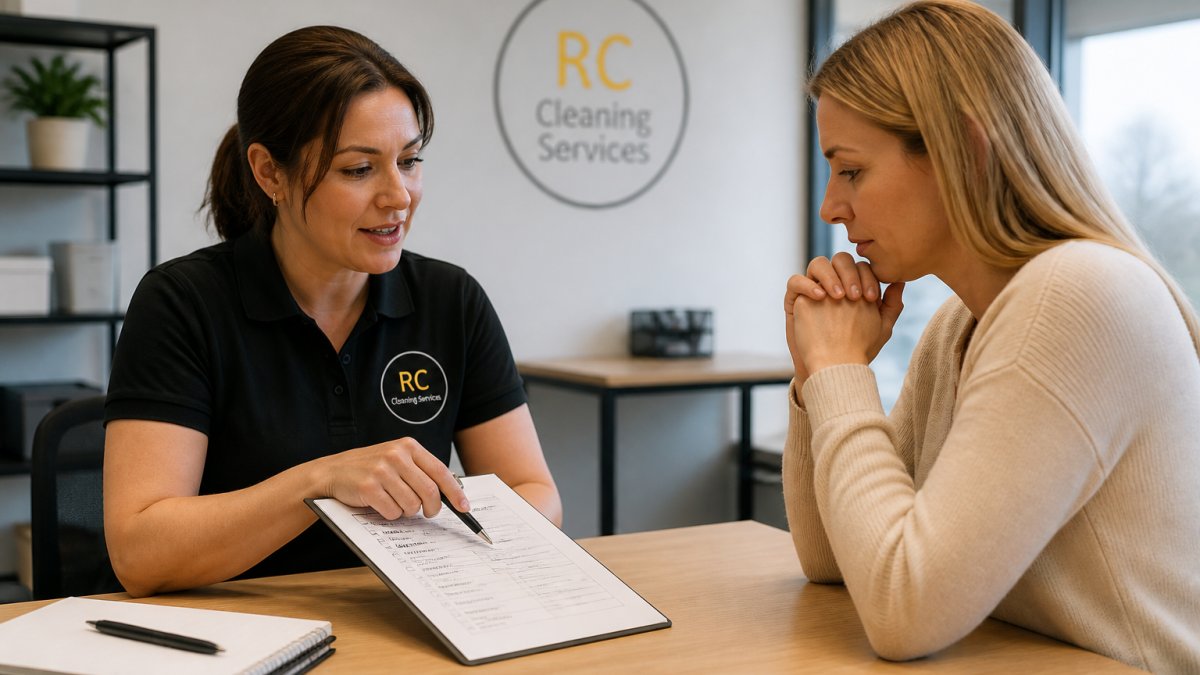
A solid cleaning contract establishes clear expectations, communication workflows, and accountability mechanisms. Without documented protocols, disputes arise over service standards and emergency response.
Defining Scope and Service Standards
Your contract should specify exactly what services are included, frequency of service, response times for issues, and measurable quality standards. For example, restroom cleaning might specify toilet bowl cleaning, mirror polishing, floor mopping, trash removal, and supply restocking. Specific contract language prevents misunderstandings.
Include a quality assurance clause allowing re-cleaning if standards aren't met. Define quality failures (visible debris, streaked mirrors, odors, stains) and specify re-cleaning timeframes: same day for critical issues, within 48 hours for routine complaints.
Establishing Communication and Reporting Protocols
The contract should designate a primary point of contact and specify communication methods: email for routine updates, phone for urgent issues, and a shared digital platform for work logs and incident tracking.
Require weekly or bi-weekly service reports documenting completed tasks, issues encountered, and supplies used. These reports create accountability and provide documentation if disputes arise.
Establish an incident reporting protocol requiring vendor response within a specified timeframe (typically 2-4 hours for urgent issues). Document all complaints and responses in a shared log to create a performance record for contract renewal decisions.
Response Times and Emergency Procedures
Document response times: routine requests within 24 hours, emergencies (health code violations, safety hazards, tenant-facing issues) within 2 hours or same-day.
Include a clause requiring backup coverage if the primary crew becomes unavailable, preventing service gaps during staff illness or absences.
Technology and Documentation Requirements
Require vendors to submit completion confirmations through your work-order management system or tenant portal. Mobile apps that timestamp work, attach photos, and log supply usage provide accountability and verify service delivery.
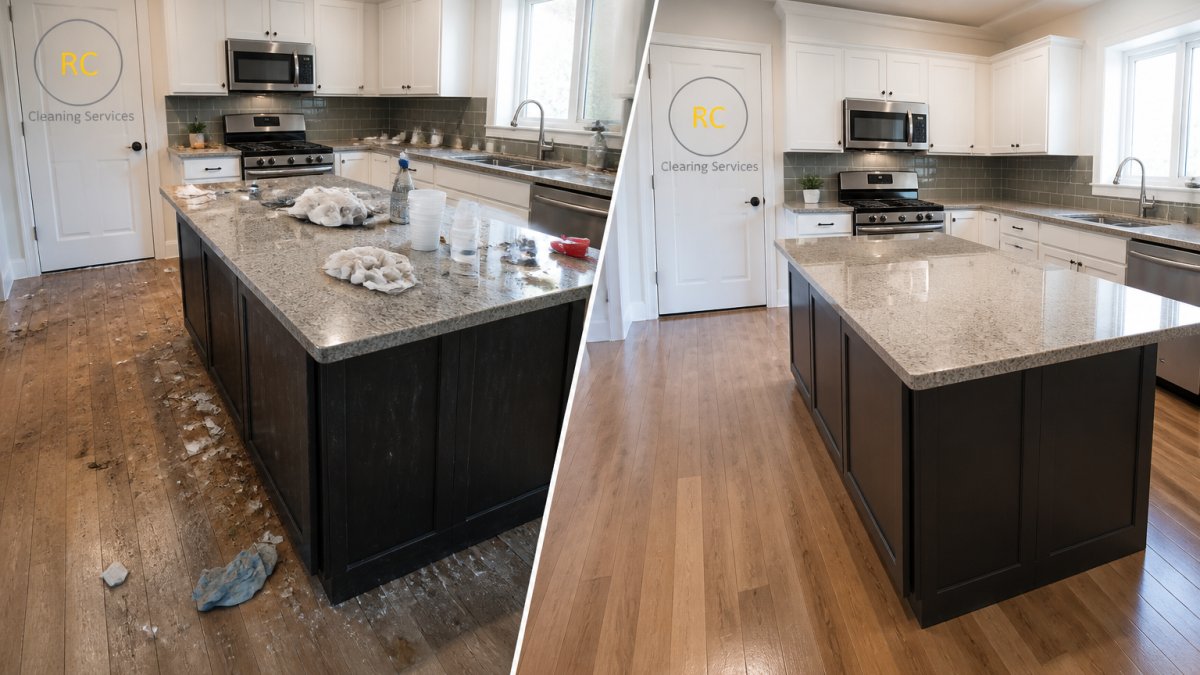
Require before-and-after photos for specialized services and a photo checklist for turnover cleaning confirming each room, appliance, and surface was cleaned to standard.
Performance Metrics and Renewal Criteria
Include specific performance metrics triggering contract review or termination: more than three unresolved complaints monthly, failure to meet response times, or consistent quality failures. Establish a 30-day notice period for termination.
Define how pricing adjustments are handled. Will the contract include annual price escalation tied to inflation, or will pricing remain fixed for the contract term? Specify whether additional services (emergency cleaning, special projects) are billed separately or included in the monthly fee.
Watch Out Without documented communication protocols and incident tracking, property managers cannot objectively evaluate vendor performance. Vague complaints like "the building doesn't look clean" are difficult to remedy; specific, timestamped incident reports create accountability and drive improvement.
Janitorial Service Pricing Models and Budgeting
Understanding janitorial pricing helps property managers budget accurately and compare service providers fairly. Pricing typically varies based on building size, service frequency, and specific services included. However, most property managers lack transparent benchmarks to evaluate whether quotes are market-rate or inflated.
Common Pricing Models
Common pricing approaches include per-square-foot rates, hourly rates, and flat monthly fees. Per-square-foot pricing works well for standardized services in similar buildings and typically ranges from $0.10 to $0.35 per square foot monthly for routine common-area maintenance, depending on building age, occupancy density, and regional labor costs. Hourly rates suit properties with variable cleaning needs and generally fall between $25 and $60 per hour for trained janitorial staff, with higher rates in urban markets. Flat monthly fees provide budget predictability but require careful definition of included services to avoid scope creep or hidden charges.
Building a Realistic Budget
Property managers should establish a baseline budget by calculating total cleanable square footage, then multiplying by the appropriate per-square-foot rate for your region and building type. For example, a 50,000-square-foot apartment complex in a mid-sized market might budget $5,000 to $10,000 monthly for comprehensive common-area maintenance (hallways, lobbies, restrooms, fitness centers). Add 15-25% for specialized services like quarterly carpet extraction, semi-annual floor stripping and waxing, or seasonal window cleaning.
Turnover cleaning costs separately from ongoing maintenance.
Requesting Detailed Quotes
When comparing janitorial service pricing, request detailed quotes that break down specific services, frequency, and labor allocation. A quote that simply states "common area cleaning" is too vague. Professional quotes specify exactly which areas are cleaned (lobby, hallways, restrooms, elevators, stairwells), how often (daily, three times weekly, weekly), and what specific tasks are included (toilet bowl cleaning, mirror polishing, floor mopping, trash removal, restocking supplies).
Evaluating True Cost of Service
Choosing the cheapest janitorial service often backfires. Budget providers cut corners on restroom sanitation, skip detailed floor care, and miss spots consistently. Tenant complaints and turnover costs quickly exceed any savings from lower pricing. A property that loses one quality tenant due to poor cleanliness incurs turnover costs (cleaning, marketing, vacancy loss) that dwarf months of janitorial savings.
Key Takeaway Transparent pricing with itemized services, realistic turnover budgets, and vendor references protect your bottom line. The lowest bid rarely reflects true cost when tenant satisfaction and property condition are factored in.
Why Consistency and Reliability Matter
Consistency in janitorial services directly impacts tenant satisfaction and property performance. Tenants notice when cleaning standards fluctuate. One week the common areas look pristine, the next week they're neglected. This inconsistency creates frustration and increases lease cancellations.
Choosing the Right Janitorial Provider
Selecting a janitorial provider requires evaluating multiple factors beyond price. Look for providers with experience managing properties similar to yours. A company skilled in commercial construction cleanup may lack expertise in ongoing residential janitorial services, or vice versa.
Frequently Asked Questions
What's the difference between general cleaning and professional janitorial services?
General cleaning handles one-time or occasional tidying, while professional janitorial services provide ongoing, scheduled maintenance of commercial and multi-unit properties. Janitorial services include floor care, sanitization, waste management, and preventative maintenance on a recurring basis. Professional janitorial providers use commercial-grade equipment and follow standardized protocols to maintain consistent cleanliness and compliance standards across your properties.
How often should common areas in apartment complexes be professionally cleaned?
Common area maintenance typically occurs daily for high-traffic areas like lobbies and hallways, with deep cleaning weekly or bi-weekly depending on foot traffic and tenant density. Nightly janitorial operations are standard for larger complexes to address accumulated debris and maintain sanitation. Your janitorial service should customize the schedule based on your property's size, occupancy level, and specific needs. Consistent frequency prevents buildup and protects tenant satisfaction.
What should I look for in a commercial cleaning contract checklist?
A strong commercial cleaning contract should specify scope of work (which areas and services), frequency and timing, quality standards with inspection protocols, response time for issues, pricing structure, insurance and liability coverage, and what happens if work doesn't meet expectations. Include details on equipment and cleaning products used, staff training requirements, and how communication and reporting will happen. Ensure the contract addresses your specific needs, whether that's move-out cleaning, post-construction cleanup, or ongoing facility management.
How do janitorial service pricing models work?
Janitorial service pricing models typically include hourly rates, per-square-foot pricing, or flat monthly contracts. Hourly rates work for one-time projects like move-out or construction cleanup. Per-square-foot pricing is common for ongoing maintenance, scaling with your property size. Monthly contracts offer predictability for regular services like day porter coverage or nightly operations. Pricing depends on service frequency, scope, property size, and local labor costs. Request a detailed quote that breaks down what's included so you can compare accurately.
BOOK ONLINE

Comments