
Move-Out Cleaning: A Complete Guide to What's Included

Table of Contents
What Is Included in Move-Out Cleaning
Room-by-Room Cleaning Standards
Appliances and Interior Surfaces
Floors, Carpets, and Hard Surfaces
Move-Out Cleaning Checklist: Room-by-Room Breakdown
Kitchen Cleaning Tasks
Bathroom Cleaning Tasks
Living Room and Bedroom Cleaning
Move-Out Cleaning vs. Deep Cleaning: Key Differences
How Long Does Move-Out Cleaning Take
Time Estimates by Home Size
Factors That Affect Cleaning Duration
Move-Out Cleaning Cost: What to Expect
Standard Inclusions vs. Add-Ons: A Scope Matrix
What to Verify in Your Quote
What Affects Pricing
Ordinary Wear and Tear vs. Tenant Cleaning Responsibilities
Inspection Readiness: Move-Out Cleaning for Security Deposit Recovery
Prioritize High-Inspection Areas First
Create a Room-by-Room Photo Record
Obtain a Signed Completion Checklist
Document the Property Condition at Handover
Retain All Documentation for Dispute Prevention
Timeline for Inspection-Ready Cleaning
Frequently Asked Questions
Last Updated: October 10, 2026
What Is Included in Move-Out Cleaning
Move-out cleaning is a comprehensive deep clean that restores a rental property to its original condition before the tenant vacates.
What qualifies as move-out cleaning varies by lease agreement and local rental standards. The scope typically includes detailed work in every room, appliance interiors, and hard-to-reach surfaces that regular cleaning overlooks.
Room-by-Room Cleaning Standards
Move-out cleaning targets deep cleaning of every surface, including baseboards, light fixtures, window sills, door frames, walls, and closets, areas often missed during regular maintenance.
Living room and bedroom cleaning includes thorough carpet vacuuming, ceiling fan and light fixture wiping, and complete window and blind cleaning.
Appliances and Interior Surfaces
Appliance cleaning is critical in move-out cleaning. The refrigerator interior is emptied, shelves removed and wiped, and coils cleaned.
Countertops, sinks, and cabinets receive detailed attention, including cabinet interiors, hardware, and backsplash areas. This level of detail prevents landlords from citing cleanliness as grounds for deposit deductions.
Floors, Carpets, and Hard Surfaces
Floor cleaning is a major component of move-out cleaning. Carpets are vacuumed completely, including under furniture, with stains treated where possible.
Professional equipment and cleaning solutions remove embedded dirt that regular household cleaning cannot address, often making the difference between recovering a full security deposit and facing deductions.
Move-Out Cleaning Checklist: Room-by-Room Breakdown
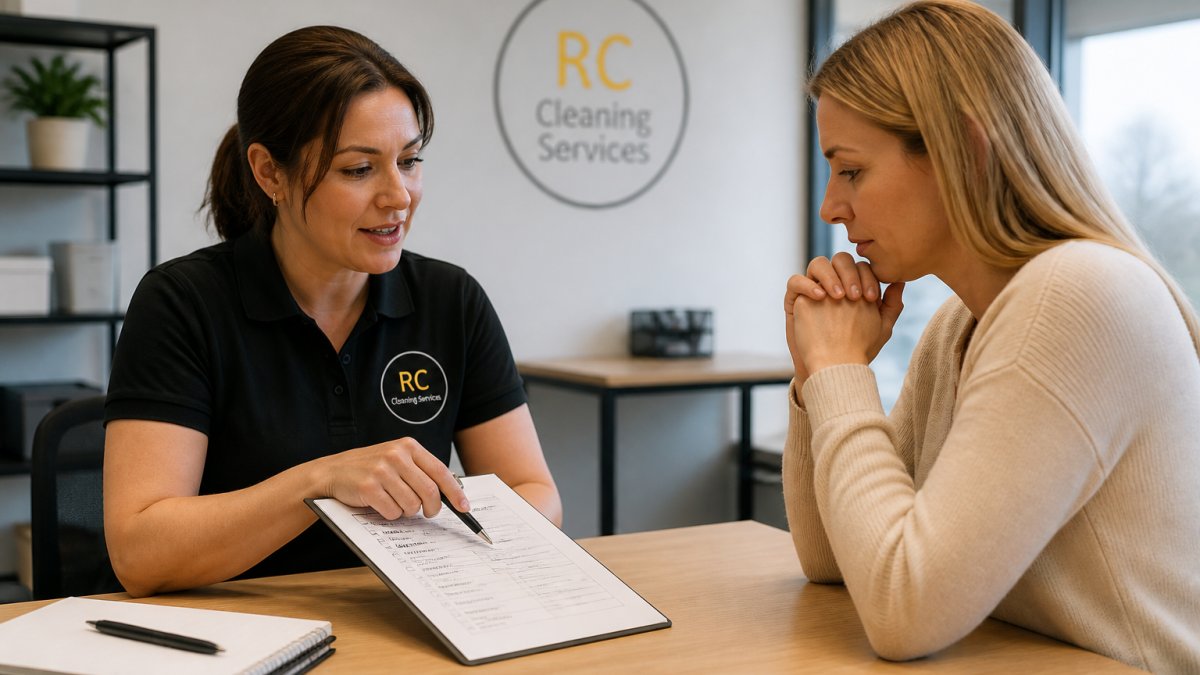
A systematic checklist ensures no area is overlooked during move-out cleaning. This room-by-room approach helps property managers verify that work meets standards and gives renters confidence that every surface has been addressed.

Kitchen Cleaning Tasks
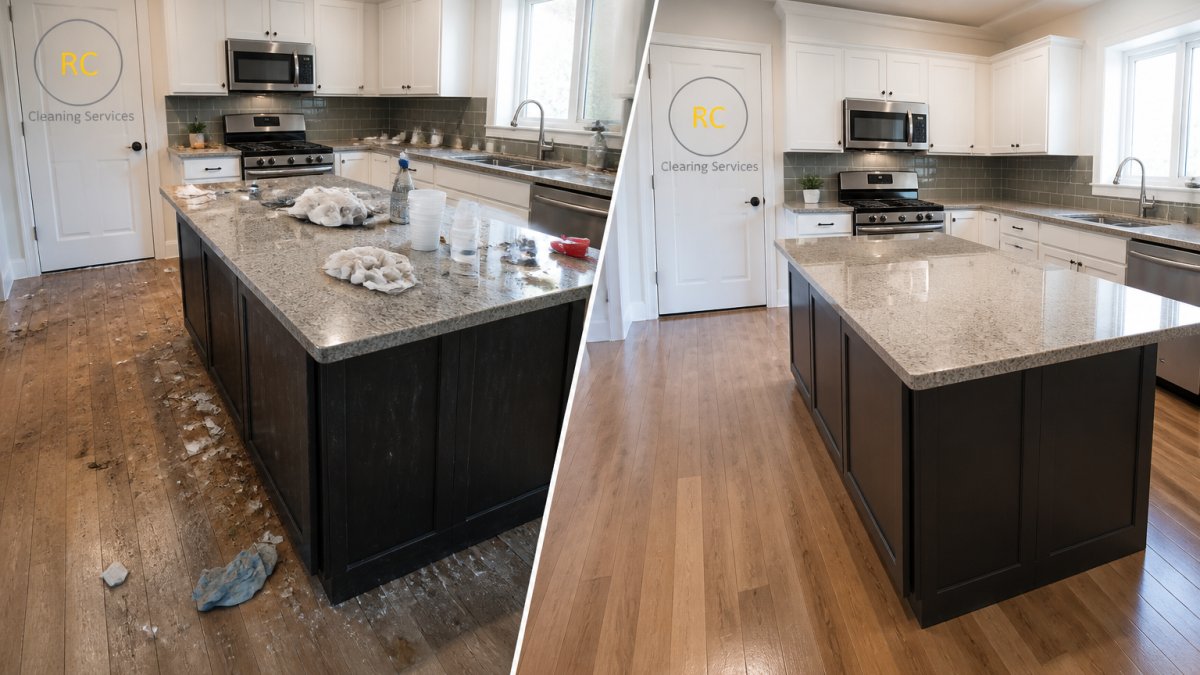
Kitchen cleaning includes the refrigerator (shelves removed and washed), stovetop (including burner grates), oven interior, microwave, sink, cabinets (inside and out), and countertops with backsplash.
Bathroom Cleaning Tasks
Bathroom cleaning covers the toilet (inside and out), sink, shower or bathtub (including walls and fixtures), mirrors, cabinets (inside and out), walls, and baseboards.
Living Room and Bedroom Cleaning
Living areas receive comprehensive cleaning including ceiling fans, light fixtures, walls, windows, window sills and tracks, blinds, doors, door frames, carpets (including under furniture), and closets (including shelves).
Move-Out Cleaning vs. Deep Cleaning: Key Differences
Deep cleaning and move-out cleaning serve different purposes. Deep cleaning targets accumulated dust and grime in a lived-in space.
Move-out cleaning requires detailed appliance interior cleaning, thorough window and blind cleaning, and focuses on security deposit recovery with specific inspection criteria. Deep cleaning improves current living conditions without deposit or lease compliance pressure.
Aspect | Move-Out Cleaning | Deep Cleaning |
Purpose | Prepare for tenant turnover | Improve current living conditions |
Appliance focus | Interior and exterior | Exterior and accessible surfaces |
Window detail | Tracks, sills, blinds included | May be limited |
Inspection standard | Lease and deposit criteria | General cleanliness |
Timing | Before vacating | During occupancy |
How Long Does Move-Out Cleaning Take
Move-out cleaning duration depends on home size, current condition, and detail level. A small apartment may take 4-6 hours, while a larger home could require 8-12 hours or more.
Time Estimates by Home Size
A one-bedroom apartment typically requires 4-6 hours, a two-bedroom 6-8 hours, a three-bedroom 8-10 hours, and a four-bedroom or larger 10-12 hours or more. Heavily soiled properties or those requiring extensive stain removal take longer.
Factors That Affect Cleaning Duration
Current condition, built-in appliances, multiple bathrooms, large closets, carpet versus hard flooring, and the number of windows and blinds all affect duration. Properties with excessive clutter or items left behind require additional time.
Professional cleaning services provide accurate time estimates during consultations, accounting for your property's specific condition and size.
Move-Out Cleaning Cost: What to Expect
Move-out cleaning pricing depends on home size, current condition, appliance cleaning extent, number of bathrooms, flooring type, and additional services. Request detailed quotes specifying what is included and what qualifies as add-on charges.
Standard Inclusions vs. Add-Ons: A Scope Matrix
Understanding what is bundled into move-out cleaning versus what carries separate fees prevents surprise invoices and disputes. Here is a typical scope breakdown:
Standard Inclusions (typically included in base move-out cleaning):
Vacuuming all carpets and rugs
Sweeping and mopping hard floors
Wiping baseboards and door frames
Common Add-On Services (charged separately or at premium rates):
Deep carpet cleaning or stain removal (often $0.25-$0.50 per square foot or a flat fee of $100-$300 depending on condition)
Exterior window cleaning (typically $2-$8 per window or $150-$400 for a full home)
Blind deep cleaning or replacement of heavily soiled blinds
Exclusions (not included in move-out cleaning):
Painting or touch-up work
Drywall repair or patching
Appliance repair or replacement
What to Verify in Your Quote
When requesting a move-out cleaning estimate, ask the service provider to specify:
Appliance scope: Does the quote include interior cleaning of the refrigerator, oven, and microwave? Are coils and filters included, or are they separate line items?
Carpet and flooring: Is carpet cleaning included, or is it charged per square foot? Are stain treatments extra?
Windows and blinds: Are exterior windows included? Are blinds dusted or deep-cleaned? Are window tracks vacuumed?
Condition assumptions: Does the estimate assume normal wear and tear, or does it account for heavy soiling, pet damage, or excessive stains?
Timing and labor: How many cleaners will be assigned, and how long is the estimated duration? Are rush fees applied for expedited turnaround?
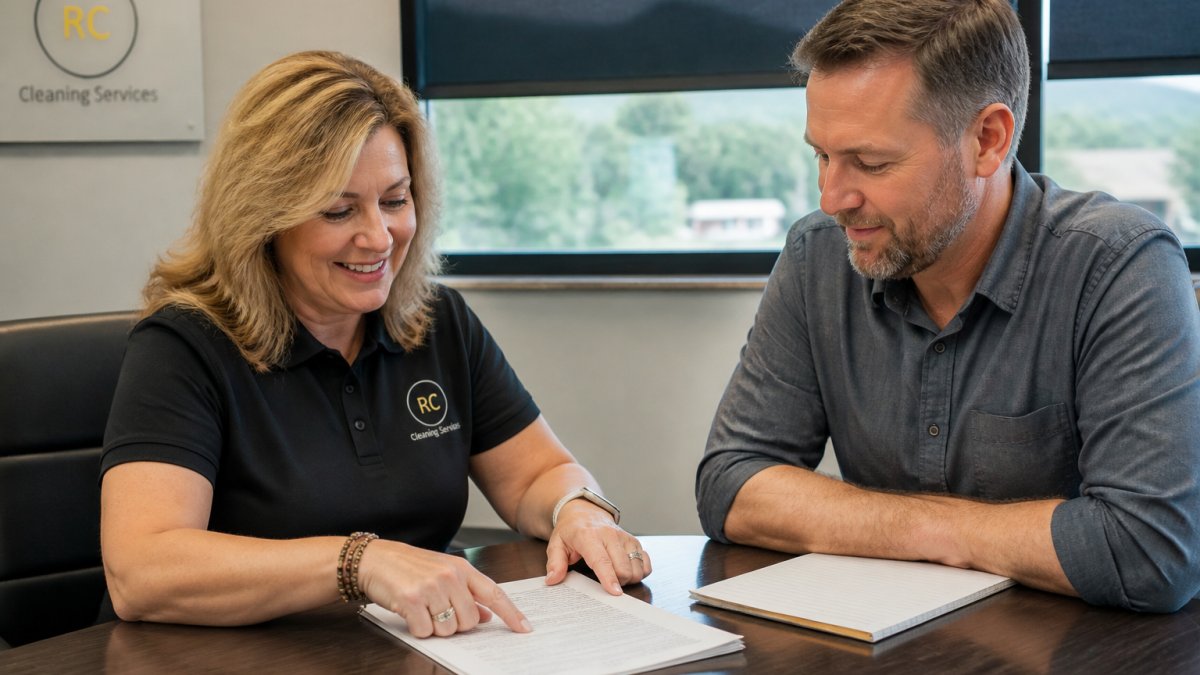
Documentation: Will the service provider supply photos, a completion checklist, or a signed-off report for your records?
What Affects Pricing
Home size is the primary cost driver. Larger homes require more time and materials, increasing the overall cost. Current condition matters significantly because heavily soiled properties require additional labor and specialized cleaning solutions. The number of bathrooms and appliances affects pricing because each requires detailed attention.
Ordinary Wear and Tear vs. Tenant Cleaning Responsibilities
Landlords cannot deduct security deposits for ordinary wear and tear (minor carpet fading, small nail holes, slight discoloration) but can deduct for damage caused by tenant neglect.
Stains from accidents, excessive dirt or grime, and broken fixtures are tenant responsibility. Professional move-out cleaning documentation helps establish that the tenant fulfilled their cleaning obligations, protecting both parties in deposit disputes.
Inspection Readiness: Move-Out Cleaning for Security Deposit Recovery
Thorough move-out cleaning directly supports security deposit recovery. Property managers and landlords conduct walk-through inspections comparing the property's condition to lease requirements and initial move-in condition. A professionally cleaned property demonstrates tenant care and compliance, but documentation and strategic sequencing ensure disputes over deposit deductions can be resolved in your favor.
Prioritize High-Inspection Areas First
Not all areas of a home receive equal scrutiny during a move-out inspection. Landlords and property managers typically focus on:
Kitchen appliances and surfaces - Refrigerator interior, stovetop, oven, and countertops are among the first items inspected because they show evidence of care and food residue.
Bathrooms - Toilet, sink, shower, and tile are checked for mold, soap scum, and disinfection.
Carpets and flooring - Stains, odors, and embedded dirt are red flags for deposit deductions. Hard floors are inspected for scratches and residue.
Walls and baseboards - Marks, scuffs, and dust along baseboards signal neglect and often trigger deductions for "excessive dirt."
Windows and window sills - Grime and dead insects in sills are visible signs of poor maintenance.
Closets and storage areas - Empty closets are checked for dust, debris, and shelf condition.
Schedule professional cleaning to address high-priority areas first. If cleaning yourself, allocate the most time to kitchens and bathrooms.
Create a Room-by-Room Photo Record
Photographic evidence is your strongest defense against unfair deposit deductions. After professional cleaning is complete, photograph each room systematically:
Take photos from multiple angles in each room to show overall cleanliness and condition.
Close-up photos of appliances - Interior of refrigerator, stovetop, oven, microwave, and range hood.
Bathroom details - Toilet interior and exterior, sink, shower, bathtub, and tile.
Date-stamp each photo or note the date in the file name. Store photos in a cloud service or email them to yourself to create a timestamped record that proves the property's condition at move-out.
Obtain a Signed Completion Checklist
If you hire a professional cleaning service, request a detailed completion checklist signed by the service provider listing:
Each room cleaned and specific tasks completed
Date and time of completion
Signature or initials of the cleaner(s)
Keep this checklist along with your photos and the service invoice. If a landlord disputes the quality of cleaning or attempts to claim deductions for dirty surfaces, you have documented proof that professional cleaning was completed.
Document the Property Condition at Handover
Before returning keys, conduct a final walk-through with the landlord or a neutral third party (if possible):
Review the move-in inspection report - Compare current condition to the original move-in checklist and note any pre-existing damage.
Point out cleaned areas - Highlight cleaning work completed, showing the landlord key details like the refrigerator interior and cleaned baseboards.
Request written acknowledgment - Ask the landlord to sign confirming the property was returned in clean condition with no damage beyond ordinary wear and tear.
Take final photos - Photograph the property with the landlord present (if possible) to create a timestamped record.
Retain All Documentation for Dispute Prevention
Keep copies of the following for at least one year after move-out:
Professional cleaning invoice and completion report
Date-stamped photographs of each room and appliance
Move-in and move-out inspection reports
If the landlord deducts money and claims the property was not cleaned, this documentation disputes the deduction. Many jurisdictions require landlords to itemize deductions and provide photographic evidence. Your documentation creates a paper trail supporting your position and may result in the return of withheld funds.
Timeline for Inspection-Ready Cleaning
Plan your move-out cleaning schedule strategically:
2-3 weeks before move-out: Schedule professional cleaning or plan your cleaning timeline.
1 week before move-out: Complete deep cleaning of high-priority areas (kitchen, bathrooms, carpets).
2-3 days before move-out: Final touch-ups and detailed cleaning.
This timeline ensures the property is in peak condition for inspection and allows time to address any areas the landlord flags before you vacate.
Frequently Asked Questions
What is included in move-out cleaning?
Move-out cleaning includes deep cleaning of all rooms, appliances, floors, and surfaces to prepare a rental unit for the next occupant. This covers kitchen appliances (inside and out), bathroom fixtures, floors (vacuuming and mopping), baseboards, walls, windows, blinds, light fixtures, and ceiling fans. The scope depends on the property condition and any add-on services requested. Professional move-out cleaning services typically go beyond standard tidying to meet rental inspection standards and protect your security deposit.
How long does move-out cleaning take?
Move-out cleaning duration depends on home size and condition. A one-bedroom apartment typically takes 3-4 hours, a two-bedroom takes 4-5 hours, and larger homes may take 6-8 hours or more. Properties in poor condition or those requiring deep stain removal take longer. Factors like carpet condition, appliance buildup, and wall marks all affect the timeline. Requesting a professional assessment gives you an accurate estimate for your specific property.
What is the difference between move-out cleaning and deep cleaning?
Move-out cleaning is task-specific, targeting areas that affect rental inspections and security deposit recovery, such as appliances, baseboards, and floors. Deep cleaning covers similar areas but can be more thorough in certain zones and is not tied to inspection standards. Move-out cleaning focuses on meeting landlord or property manager expectations, while deep cleaning may emphasize allergen removal or heavily soiled areas. Both are intensive, but move-out cleaning has a clear inspection-based purpose.
Does move-out cleaning include inside appliances and cabinets?
Yes, move-out cleaning typically includes cleaning the interior and exterior of major appliances like ovens, microwaves, and refrigerators. Cabinet interiors are usually wiped down, and countertops are scrubbed thoroughly. However, some providers may charge add-on fees for deep appliance cleaning (such as oven interiors) or cabinet degreasing. Always confirm what's included in your service agreement to avoid surprises during the final walkthrough.
What is the difference between ordinary wear and tear and tenant cleaning responsibilities?
Ordinary wear and tear includes minor carpet fading, small nail holes, and light wall marks from normal use. Tenants are responsible for cleaning the property to move-in condition, removing personal items, and repairing damage beyond normal wear. Stains, deep grime, appliance buildup, and damaged surfaces are tenant responsibility. Understanding this distinction helps you prioritize move-out cleaning tasks and protects your security deposit. Property managers can clarify their specific standards during the move-out inspection.
Should I hire a professional for move-out cleaning or do it myself?
Professional move-out cleaning ensures compliance with rental inspection standards and reduces the risk of losing your security deposit due to missed spots or incomplete tasks. Professionals have the right equipment, cleaning supplies, and experience to handle stubborn stains, appliance interiors, and hard-to-reach areas. If your rental agreement requires the property to be in move-in condition, professional cleaning provides documentation and consistency. DIY cleaning works if you have time and experience, but professionals offer peace of mind and faster turnaround.
How can I ensure move-out cleaning meets my landlord's expectations?
Request your landlord's specific cleaning checklist or inspection criteria before scheduling service. Professional cleaners familiar with rental standards can guide you on priority areas like baseboards, light fixtures, and appliance interiors. Take photos after cleaning is complete as proof of condition. Request a final walkthrough with your landlord if possible, or ask for written confirmation that the property meets their standards. Clear communication and documentation help prevent deposit disputes.
BOOK ONLINE
Comments